Helping You & Your Dog Adjust to Apartment Life: What Worked for Us
When Lily and I moved from a home with a backyard in Kansas City to an apartment in Washington, D.C., I wasn’t sure how she would handle the transition. It was the first time she had lived in an apartment since she was just four months old. I was especially nervous about the lack of a yard and the need for scheduled potty breaks. But to my surprise (and relief), she adjusted to city living quickly and smoothly. Here are a few things we did to help make the change easier for her:
1. Stick to a Schedule
Knowing your dog’s potty routine is key. Once you move in, identify a few nearby spots where your dog can go to the bathroom, and be consistent with timing. A predictable routine helps your dog know what to expect.
For us, that looks like four potty breaks a day:
- First thing in the morning (with a walkie)
- Around lunchtime (if one of us is working from home)
- After work, around 5 p.m.
- One last trip before bed
If we know we won’t be home midday, we make sure she gets out twice before we leave.
2. Find a Veterinarian Before You Move
Before your move, search your new ZIP code for a primary vet, an urgent care clinic, and an emergency vet. If you don’t have a car, it’s especially important to find the best care you can within walking distance. We got very lucky and found a great provider 3 blocks away. Save each location’s info in an easily accessible place—trust me, it’s better to have it ready before you need it.
3. Explore Local Parks and Walking Paths
Familiarize yourself with nearby green spaces, walking trails, and dog parks—both on-leash and off-leash. Having go-to spots for exercise and play will keep your pup happy and stimulated.
4. Get Comfortable with the Elevator
Some dogs are wary of elevators at first, so a little training can go a long way. Short, positive sessions every few days helped Lily get used to the ride.
More importantly: practice good elevator etiquette. If someone is already inside with their dog, always ask before entering. And if your dog tends to be reactive or nervous around other dogs, wait for the next elevator or take the stairs. It’s a simple step that avoids unnecessary stress, and the extra movement is good for everyone!


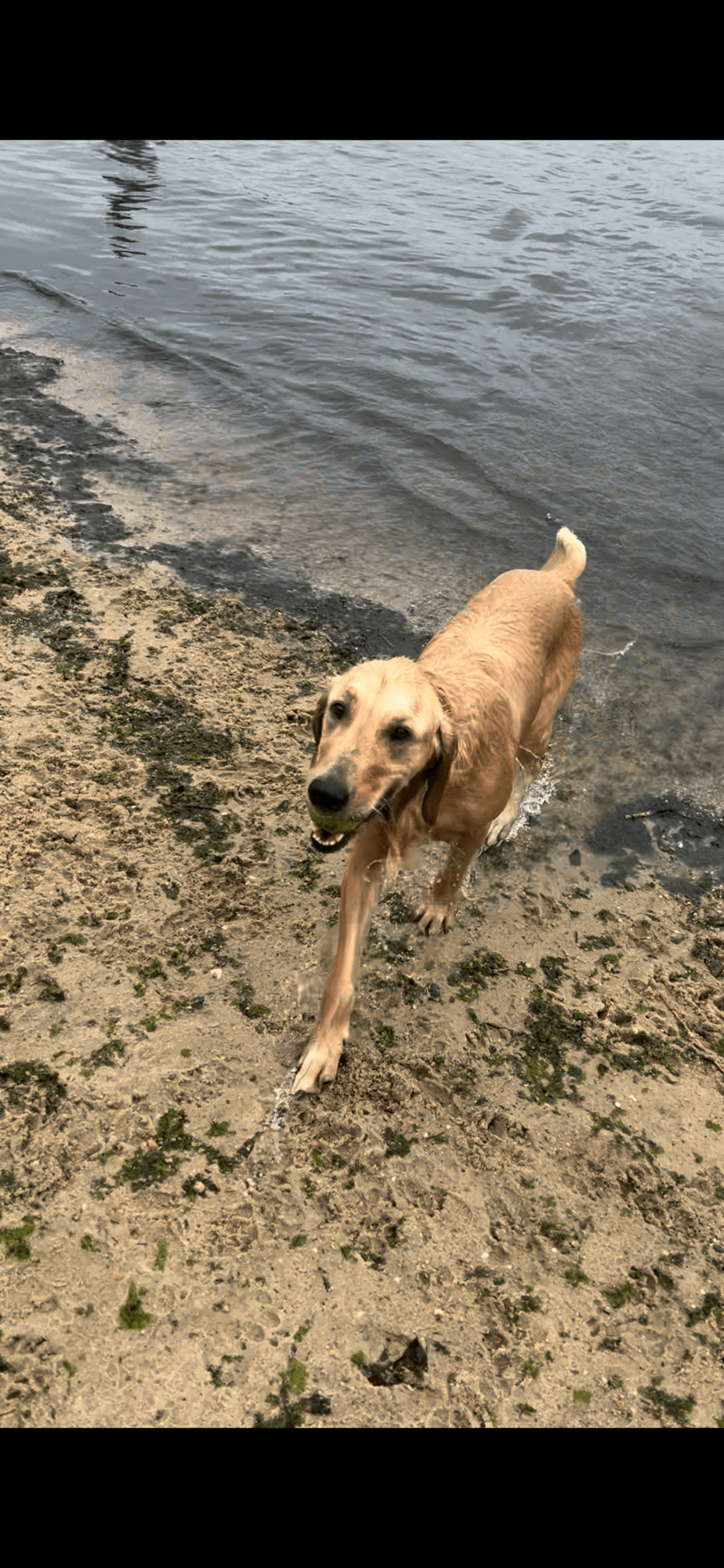
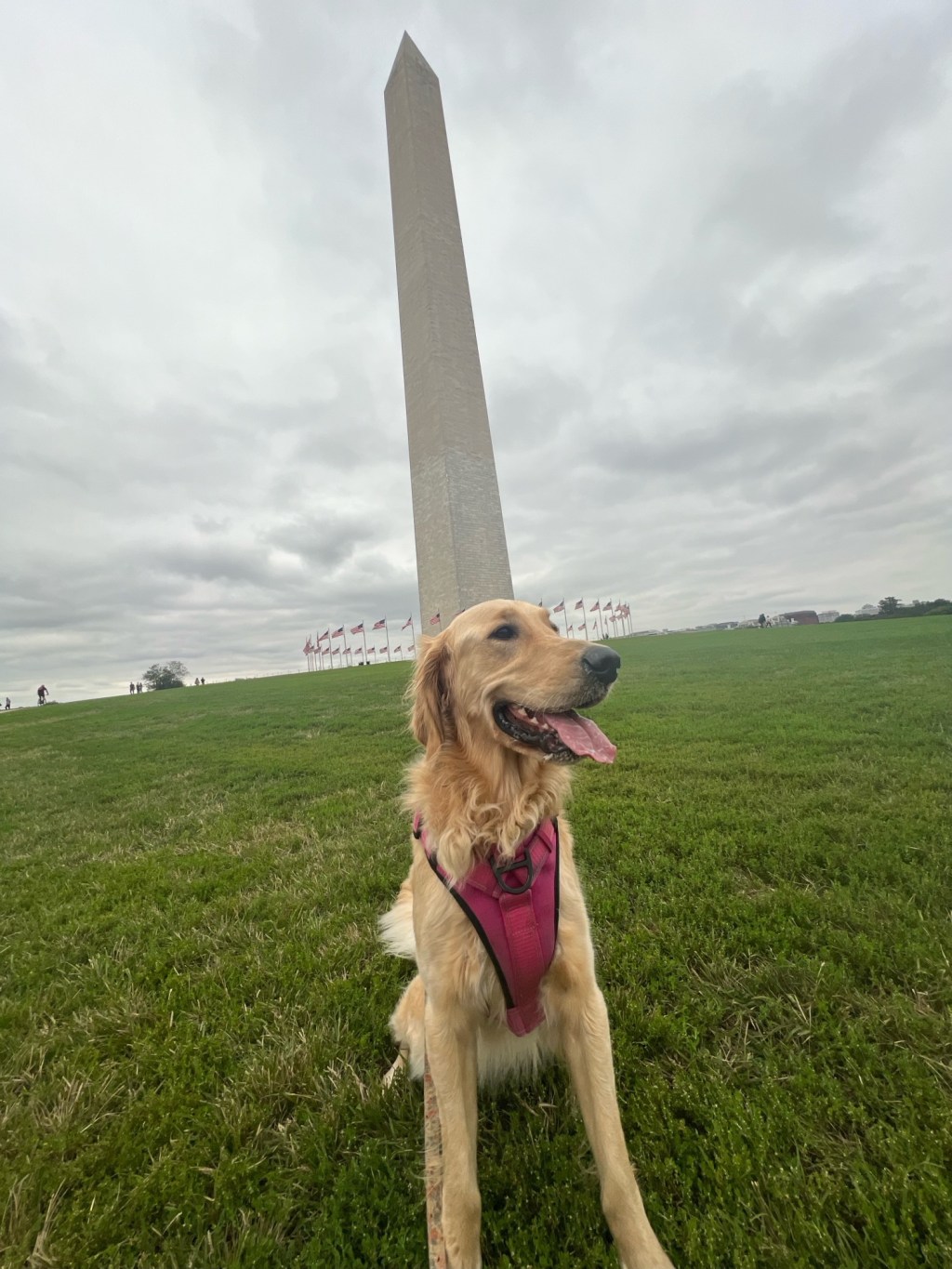
 Lily in DC
Leave a reply to Administrator Cancel reply